Category: Digital Corinthia
-

Mapping the Isthmus of Corinth: A Story Map
Last May I had the privilege of working with Albert Sarvis, Professor of Geospatial Technology at Harrisburg University (and a licensed drone pilot), in capturing low-altitude aerial photographs of the Isthmus of Corinth. Albert and I had collaborated for several years previous on the Digital Harrisburg project, an ambitious project that seeks to link all…
-

Dropping into Ancient Corinth (the CyArk and Google Partnership)
Years ago, a visitor to ancient Corinth (and other sites of Greece) had immediate access to most of the archaeological remains within the site. One could stand directly next to one of the standing columns of the Temple of Apollo, or even climb within the Fountain of Peirene, as I know a group of university…
-

Corinthian Matters on Twitter
A busy and full summer has yielded to an even busier academic semester as classes begin here in south-central Pennsylvania. My plate is full, but I have a little hope that I’ll be able to write an occasional blog this semester — and turn this site into a place for slow blogging and more substantive content.…
-
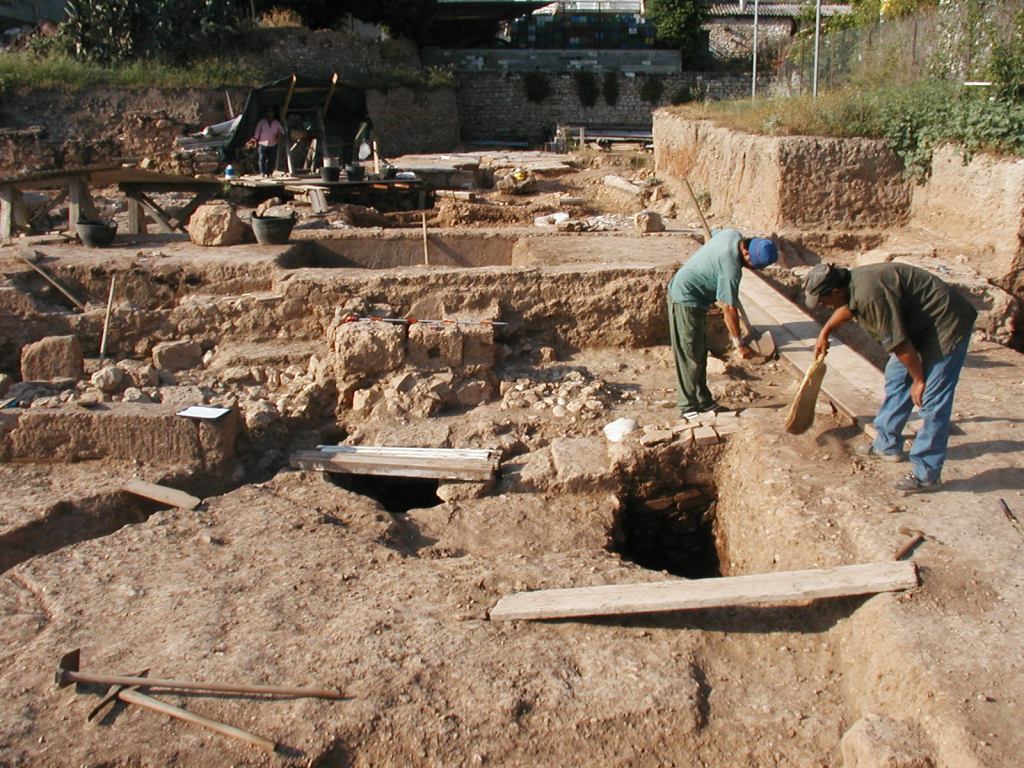
Corinth Excavations Archaeological Manual Published
Virtually anyone who has participated in the American School Excavations at Corinth has become acquainted with the Corinth Excavations Archaeological Manual. I’m not sure who was responsible for writing the first excavation manual for Corinth, or when it first appeared in print, but having an archaeological manual that guides fieldwork and recording is simply good archaeology. It gives workers…
-
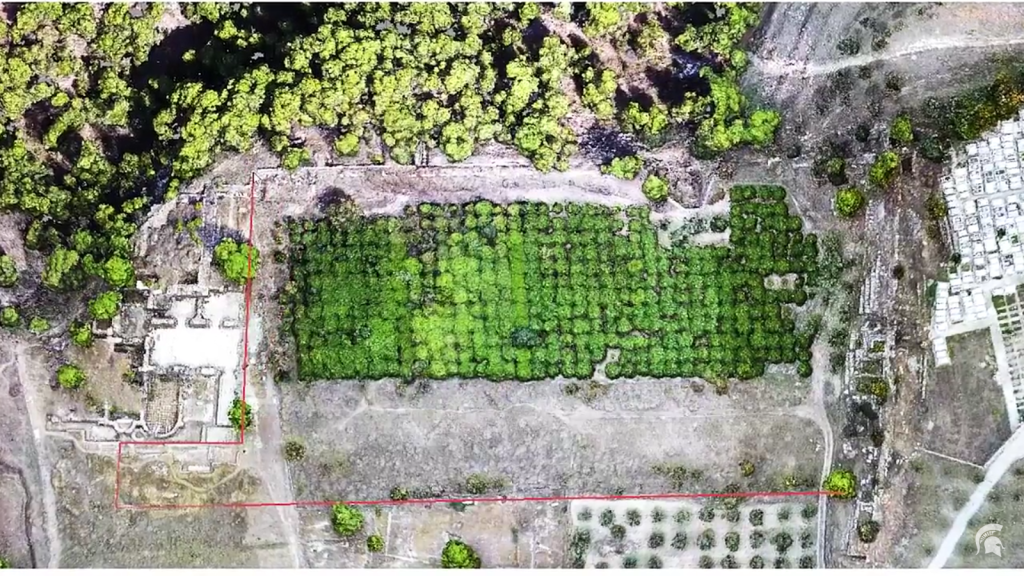
Digitizing and Droning Isthmia
Several years ago I wrote about the interesting work Professor Jon Frey of Michigan State University was doing with collaborators at Isthmia to digitize the excavation notebooks as well as the associated finds and context data. Over the last couple of weeks, MSU has spotlighted Frey’s recent work at the site including his discovery of a gymnasium at the site (now…
-

Mobilizing the Past
When we decided to bring iPads to Cyprus for use in the 2012 excavation season of the Pyla-Koutsopetria Archaeological Project, we knew we were migrating into a new and uncertain digital future of archaeological research. My own initial encounters with the archaeological process (excavating prehistoric rockshelters and hilltop enclosures in southern Ohio) had involved recording notes in paper notebooks the old fashioned way. And when I crossed the pond and…
-

Religion for Breakfast
If you are interested in issues of ancient religion and early Christianity, check out Andrew Henry’s YouTube channel “Religion for Breakfast.” Religion for Breakfast is (as the about page notes) an educational video log “dedicated to the academic, nonsectarian study of religion. We strive to raise the level of conversation about religion on YouTube by exploring surprising facts about…
-

Ancient Corinth via Drone
After last month’s post about helicopter views of Corinthian coasts, I was pleased to discover Dronestagram, a site that allows owners of drones to share their photos and videos. This two minute sequence of the site of Ancient Corinth offers low-altitude coverage of the archaeological site as well as the Greek theater and Odeion. Now that the technology is available, expect many more of these in the future.…
-
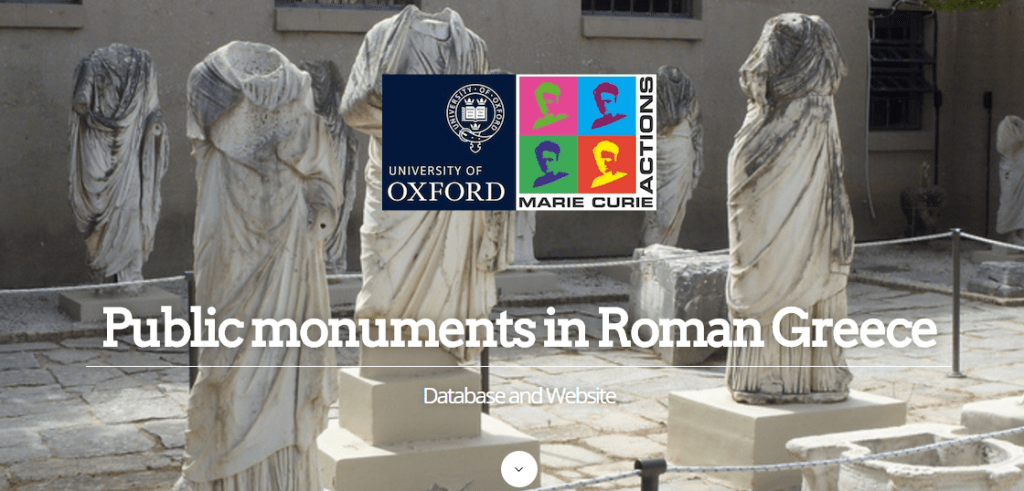
Public Monuments in Roman Greece: A New Database
A colleague sent me this link to Dr. Christopher Dickenson‘s new database and website devoted to the public monuments of Roman Greece. The platform and the content are still under development, but the website already makes available records for a substantial number of monuments known from Pausanias for three cities of Roman Greece. With its aim to presen all monuments known from text and…
-
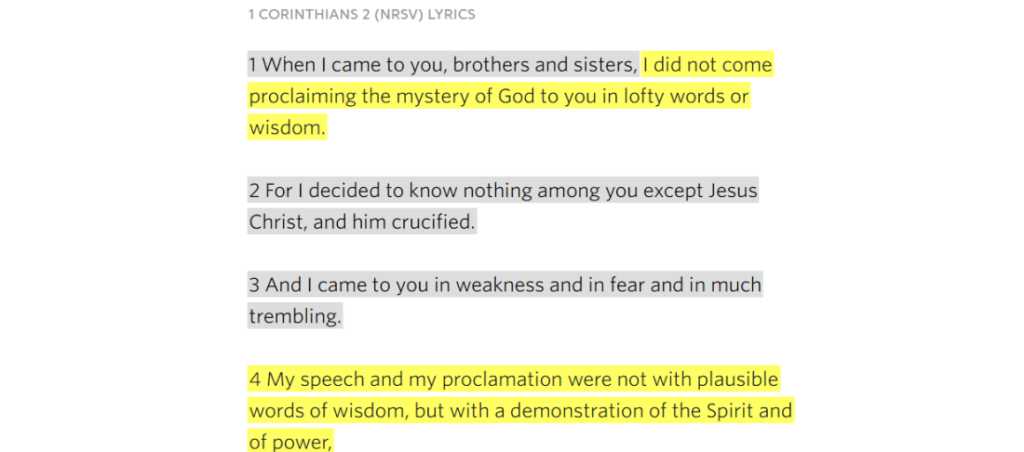
Crowdsourcing Paul’s Letters to Corinth
Last week I noted a few of the many new tools and online sites available for reading and interpreting Paul’s Corinthian correspondence. I was a little surprised to find so few digitally annotated commentaries on 1 and 2 Corinthians given the relative ease of coding a text through TEI markup language, the availability of online platforms that have simplified the process, and the currency of crowdsourcing in the digital…
 Corinthian Matters