Category: Religion, 1 Corinthians
-
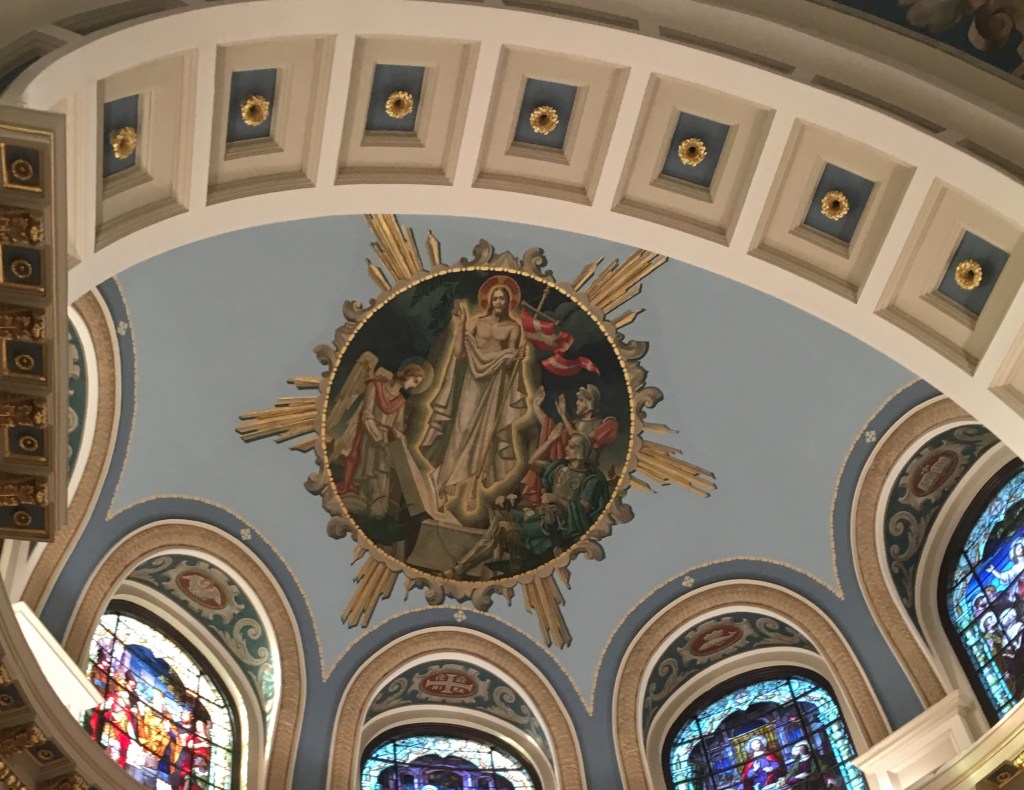
Holy Fools in Corinth
Corinth always gets the spotlight this time of year in homilies and op-ed pieces about the significance of Christian Holy Week, especially that three-day period known as the “Triduum,” which begins on Maundy Thursday (celebrating Jesus’ last supper), proceeds to Good Friday (the crucifixion), and culminates in Easter Sunday (the resurrection). Corinth is front and…
-

Performing 1 Corinthians
Among the thousands of publications on St. Paul’s letters to the Christians in Corinth, Creating a Scene in Corinth: A Simulation (MennoMedia 2013) stands out for its unique approach to biblical study through simulation and performance. Written by Reta Finger and George McClain, the work invites its readers to experience 1 Corinthians by directly entering…
-
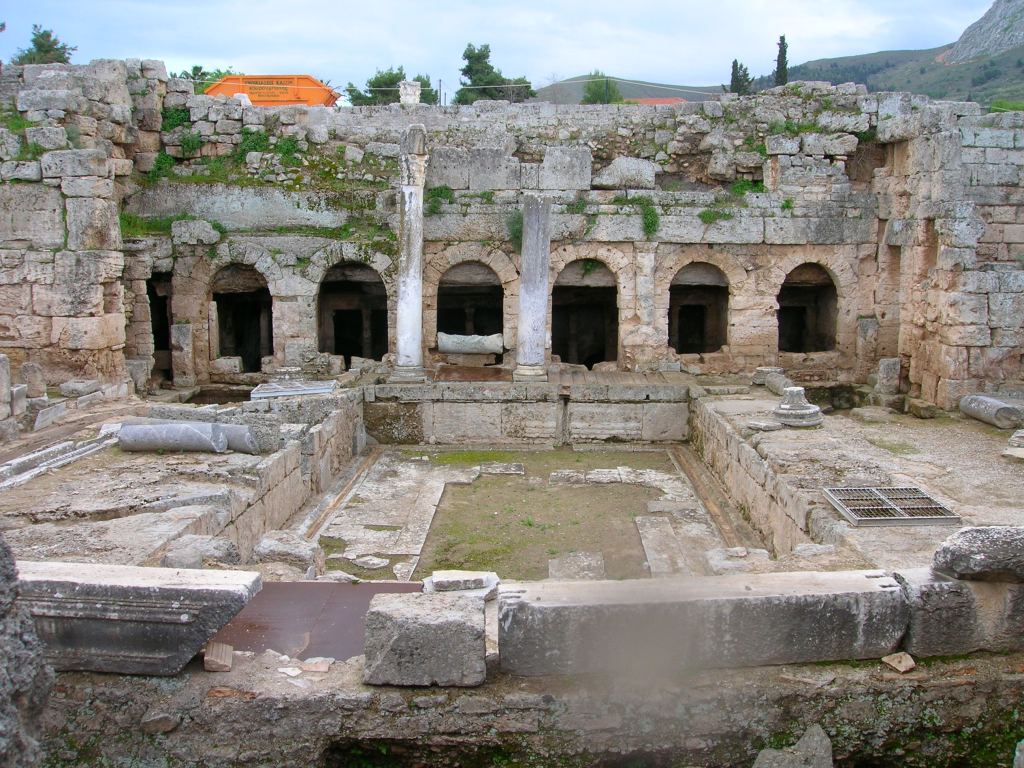
Imagining the Corinthians: A Week in the Life of Corinth
In the late spring of 2012, there was a buzz in the biblioblog world about a new book by Ben Witherington III called A Week in the Life of Corinth (InterVarsity Press Academic), a fictional work about a character named Nicanor who converts to Christianity after meeting the apostle Paul. Seminarians, pastors, preachers, interested Christians, and not a few professors of New Testament blogged the book—so…
-

Keeping the Feast: Metaphors of Sacrifice in 1 Corinthians (Patterson)
This one seems appropriate for the eve of Passover and the Easter Triduum. Patterson, Jane Lancaster. Keeping the Feast: Metaphors of Sacrifice in 1 Corinthians and Philippians. Early Christianity and Its Literature 16. Atlanta: SBL Press, 2015. As SBL describes the work in its October 7 newsletter, “Patterson uses cognitive metaphor theory to trace the apostle Paul’s use of…
-
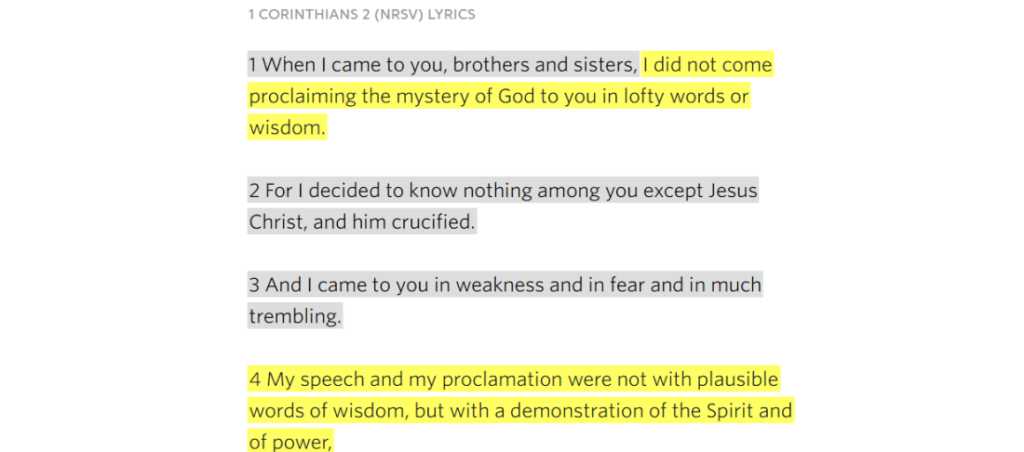
Crowdsourcing Paul’s Letters to Corinth
Last week I noted a few of the many new tools and online sites available for reading and interpreting Paul’s Corinthian correspondence. I was a little surprised to find so few digitally annotated commentaries on 1 and 2 Corinthians given the relative ease of coding a text through TEI markup language, the availability of online platforms that have simplified the process, and the currency of crowdsourcing in the digital…
-

Routledge Encyclopedia of Ancient Mediterranean Religions
This new Routledge Encyclopedia of Ancient Mediterranean Religions, edited by Eric Orlin and a team of collaborators, claims to be the “first comprehensive single-volume reference work offering authoritative coverage of ancient religions in the Mediterranean world.” As the publisher page describes it: The volume’s scope extends from pre-historical antiquity in the third millennium B.C.E.…
-
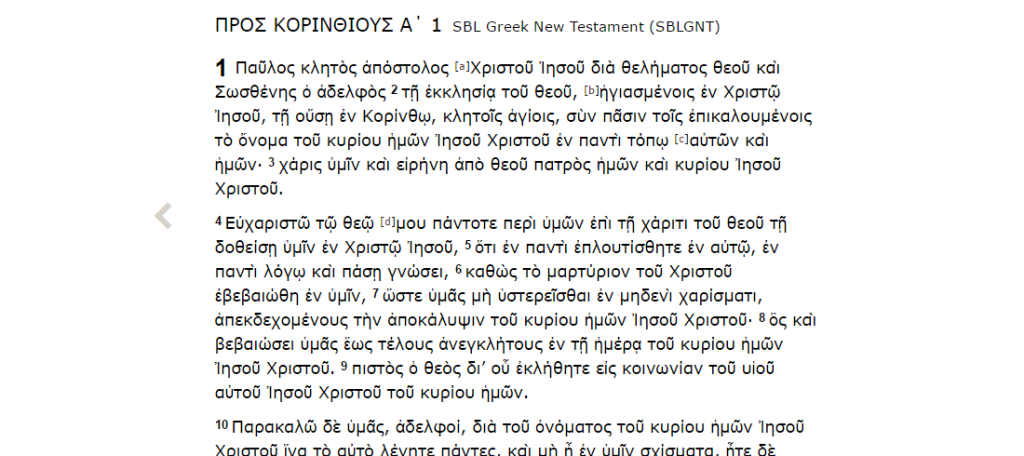
Reading 1 and 2 Corinthians in the Digital Age
A few years ago, a survey by the Pew Research Center’s Forum on Religion & Public Life found that Americans on average were broadly illiterate about the core beliefs, writings, and teachings of Judaism, Christianity, and Islam. Only about half of Americans, for example, know the Koran is the sacred text of Islam, Martin Luther was somehow associated with the Protestant Reformation, or…
-

An Open Bibliography in Corinthian and New Testament Studies
I’ve just surfaced from a week-long purgatorial session editing and indexing the proof text of The Isthmus of Corinth. It was awful–or maybe it was wonderful–but the manuscript is better for it. And now I now understand why authors sometimes cut corners and pay others to index their works. I’m back on track this morning and eager to deliver my overdue Lenten Wednesday series…
-
2015 Publications in Corinthian Studies: New Testament, Christianity, and Judaism
This is the third in a series of five bibliographic reports related to Corinthian scholarship published or digitized in 2015. This post also marks the next installment in a Lenten series on resources for the study of Judaism, New Testament, and early Christianity in Corinth (see last week’s post on Corinthian-related blogs). Today’s report presents scholarship published or digitized in 2015 related…
-
The Long Lent
The liturgical season of Lent begins today in the western Christian churches. If you don’t know what this is, Lent is a penitential season of fasting, prayer, and almsgiving that culminates in the celebration of Easter / Pascha. As far as liturgical seasons go, it’s a pretty old one that had emerged clearly by the council of Nicaea in AD…
 Corinthian Matters